What host plants are grown to feed caterpillars?
The numbered plants are those that somebody on the Butterfly Gardening forum has used to SUCCESSFULLY rear caterpillars to adulthood or has actually observed the caterpillar eating. If there is no numbered plant, then nobody on our forum can vouch for any specific plant. If a butterfly in the list below has no numbered plant, research the plant family shown for hostplant candidates.
Several forum members report that using nursery or home-improvement store plants can be poisonous to caterpillars and adult butterflies due to pesticides or other chemicals. You have three main options: 1--raise the plant from seed (best). 2--prune the plant, do not put it in a prominent location, and wait for some new growth before presenting the plant to butterflies (good). 3--buy nursery/store plants, wash them thoroughly (fair; it is hard to get all the chemical off of the plant). SWALLOWTAILS
Giant Swallowtail
- Citrus family, Rutaceae
1. Ptelea trifoliata - hop tree, wafer ash
2. Zanthoxylum clava-herculis - hercules club
3. Zanthoxylum fagara - wild lime
4. Zanthoxylum americanum - prickly ash
5. Citrus spp. - various species, including cultivated
6. Murraya paniculata - orange jasmine
7. Ruta graveolens - rue
8. Dictamnus albus - gas plant
Spicebush Swallowtail
- Laurel family, lauraceae
1. Persea borbonia - redbay
2. Persea palustris - swampbay
3. Sassafras albidum - sassafras
4. Lindera benzoin - spicebush
5. Cinnamomum camphora - camphor tree
Pipevine swallowtail caterpillars will die if raised on tropical pipevines.
Please only use the pipevines on the list.
Pipevine Swallowtail
- Pipevine family, Aristolochia
1. Aristolochia macrophylla - big leaf pipevine
2. Aristolochia tomentosa - woolly pipevine
3. Aristolochia serpentaria - Virginia snakeroot
4. Aristolochia californica - California pipevine
5. Aristolochia fimbriata - white-veined Duchman's pipe
6. Aristolochia trilobata - Dutchman's Pipe
7. Aristolochia clematitis - Birthwort
8. Aristolochia watsonii - Desert pipevine
Anise Swallowtail
- Carrot family, Apiaceae
1. Pimpinella anisum - anise
2. Foeniculum vulgare - fennel
3. Lomatium - parsnip
Eastern Black Swallowtail
- Rue family, Rutaceae
- Carrot family, Apiaceae
1. Ruta graveolens - rue
2. Anethum graveolens - dill
3. Foeniculum vulgare - fennel
4. Petroselinum crispum - parsley
5. Zizia aurea - golden Alexander
Palamedes Swallowtail
- Laurel family, lauraceae
1. Persea borbonia - redbay
2. Persea palustris - swampbay
3. Sassafras albidum - sassafras
Zebra Swallowtail
- Pawpaw family, annonaceae
1. Asimina triloba - common pawpaw
2. Asimina pygmaea - dwarf pawpaw
3. Annona muricata - soursop
Polydamas Swallowtail
- Pipevine family, Aristolochia
1. Aristolochia elegans - calico flower
2. Aristolochia gigantea - giant pipevine
3. Aristolochia fimbriata - white-veined Duchman's pipe
Eastern Tiger Swallowtail
- Rose family, Rosaceae
- Magnolia family, Magnoliaceae
- Olive family, Oleaceae
1. Prunus serotina - wild black cherry
2. Liriodendron tulipifera - tulip poplar
3. Ptelea trifoliata - wafer ash, hoptree
4. Fraxinus velutina - Arizona ash tree
5. Magnolia virginiana - sweetbay magnolia
Canadian Swallowtail
1. Populus tremuloides - quaking aspen
Two-tailed Tiger Swallowtail
- Cherry family, Prunus
- Ash family, Fraxinus
- Citrus family, Ptelea
1. Prunus virginiana - chokecherry
2. Ptelea crenulata - California hoptree
3. Ptelea trifoliata - Common hoptree
Pale Swallowtail
- Buckthorn family, Rhamnaceae
1. Rhamnus californicus - coffeeberry
2. Ceanothus arboreus - California lilac
Western Tiger Swallowtail
- Willow family, Salicaceae
WHITES and SULPHURS
Sulphurs
- Bean family, fabaceae
Cloudless Sulphur
1. Cassia alata - Candlestick plant
2. Senna hebecarpa - wild senna
Clouded (Common) Sulphur
1. White or red clover
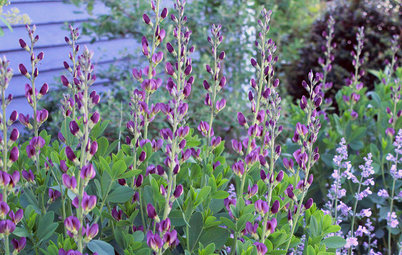
2. Baptisia australis - wild indigo
Orange-barred Sulphur
Sleepy Orange
1. Cassia obtusifolia - sicklepod
2. Cassia bicapsularis - Christmas senna
3. Cassia surattensis - glaucous cassia
4. Senna mexicana - Bahama senna
5. Senna ligustrina - privet senna
6. Cassia javanica - apple blossom cassia, pink cassia
7. Chamaechrysta fasciculata - partridge pea
8. Senna alata - Candlestick cassia, candlebush
Cabbage White
- Mustard family, brassicaceae
1. The garden vegetable cabbage
2. Tropaeolum spp. - nasturtium
California Dogface
- Bean family, fabaceae
1. Amorpha californica - false indigo
Dainty Sulphur
- Aster family, asteraceae
1. Bidens spp. - Spanish needles
Great Southern White
- Mustard family, brassicaceae
- Nasturtium family, tropaeolaceae
- Saltwort family, bataceae
Common White
- Mustard family, brassicaceae
Sara orangetip
- Mustard family , brassicaceae
Orange (Alfalfa) Sulphur
- Bean family, fabaceae
GOSSAMERS (blues, coppers, hairstreaks, Harvester)
Gray Hairstreak
- Mallow family, malvaceae
1. Sida spp. - broomweed
2. Hibiscus moscheutos - swamp rose mallow
3. Hibiscus coccineus - swamp hibiscus/Texas star
4. Desmodium genus - beggarweed
5. Trifolium repens - white clover
6. Medicago sativa - alfalfa
Juniper Hairstreak
1. Juniperus virginiana - eastern redcedar
Cassius Blue
- Leadwort family, plumbaginaceae
1. Plumbago auriculata - leadwort
2. Plumbago scandens - wild plumbago
Echo Blue (aka Spring Azure or Summer Azure)
- Buckthorn family, rhamnaceae
1. Ceanothus spp. - California buckeye, California lilac
Achmon Blue
- Wild buckwheat family, polygonaceae
1. Eriogonum spp. - buckwheat
Eastern Tailed Blue
- clovers
1. Securigera (Coronilla) varia - crown vetch
Atala
- Zamia family, zamiaceae
Great Purple (or Blue) Hairstreak
- Mistletoe family, loranthaceae
Harvester
- In America, our only carnivorous butterfly.
They feed on woolly aphids of the genera schizoneura and pemphigus.
BRUSH-FOOTS
(admirals, fritillaries, crescentspots, checkerspots, anglewings, ladies, tortoiseshells, leafwings, patches)
Buckeye
- Snapdragon family, scrophulariaceae
- Plantain family, plantaginaceae
- Vervain family, verbenaceae
1. Agalinis fasciculata - wild foxglove
2. Dyschoriste spp. - twinflower
3. Ruellia caroliniana - wild petunia
4. Ruellia succulenta - thickleaf wild petunia
5. Verbena hastata - blue vervain
6. Orthocarpus spp. - owl's clover
7. Plantago lanceolata - English plantain/ribgrass
8. Mimulus - monkey flower
9. Linaria vulgaris - butter & eggs
10. Linaria canadensis - blue toadflax
11. Linaria purpurea - purple toadflax
12. Galvezia speciosa - Island bush snapdragon
13. Diascia spp. - twinspur
14. Plantago major - greater or common plantain
Most red-flowered and a few blue flowered passifloras will not support the butterflies that use these vines in the United States. Many red-flowered tropical passionvines are on the market. Please do not use them - they are similar enough to our own passionvines that our female butterflies will lay eggs on them, but the caterpillars will soon die. Gulf Fritillary
- Passionvine family, passifloraceae
1. Passiflora incarnata - maypop
2. Passiflora suberosa - corky stemmed passionvine
3. Passiflora lutea - yellow passionflower
4. Passiflora alto - 'Amethyst'/'Lavender Lady'/'Star of Mikan'
5. Passiflora caerulea - blue passionflower/'Waterloo Blue'
6. Passiflora incarnata x cinnicata - incense passionflower
7. Passiflora vitifolia x caerulea - passionflower 'Lady Margaret'
8. Passiflora biflora - twin flower passionflower
Zebra Longwing
- Passionvine family, passifloraceae
1. Passiflora suberosa - corky stemmed passionvine
2. Passiflora biflora - two-flower passionvine
3. Passiflora lutea - yellow passionvine
4. Passiflora incarnata - purple passionflower or Maypops
Ruddy Daggerwing
- Fig family, moraceae
1. Ficus aurea - Florida strangler fig
2. Ficus citrifolia - wild banyan
3. Ficus benjamina - weeping fig
4. Ficus macrocarpa - Australian banyan
Julia
- Passionvine family, passifloraceae
1. Passiflora suberosa - corky stemmed passionvine
2. Passiflora lutea - yellow passionflower
3. Passiflora incarnata - maypop
Painted Lady
- Aster family, asteraceae
1. Borage
2. Sunflower
3. Malva sylvestris - High mallow
4. Malva parviflora - cheeseweed
5. Lavatera maritima - tree mallow
6. Thistles
American Painted Lady
- Aster family, asteraceae
1. Gnaphalium obtusifolium - cudweed, sweet everlasting
2. Gnaphalium falcatum - cudweed
3. Helichrysum petiolatum - licorice plant
4. Helichrysum thianschanicum - licorice icicles
5. Anaphalis margaritacea - pearly everlasting
6. Antennaria plantaginifolia - plantain-leaved pussy toes
7. Artemesia ludoviciana - Prairie Sage
West Coast Lady
- Mallow family, malvaceae
1. Lavatera maritima - tree mallow
2. Althea rosea - common hollyhock
3. Malva neglecta - common mallow
Red-spotted Purple
- Rose family, rosaceae
- Willow family,salicaceae
- Poplar family, populus
1. Salix nigra - black willow
2. Salix caroliniana - Carolina willow
3. Prunus serotina - wild black cherry
4. Prunus cerasifera - purple leaf plum
5. Malus angustifolia - Southern or wild crabapple
6. "hybrid crabapple"
Variegated Fritillary
- Passionvine family, passifloraceae
- Violet family, viola
1. Passiflora incarnata - maypop
2. Viola floridana - common violet
3. Viola soraria - woolly blue violet
4. Viola tricolor - Johnny Jump-ups
5. Viola x Wittrockiana - pansies
White Peacock
- Snapdragon family, scrophulariaceae
- Vervain family, verbenaceae
1. Bacopa caroliniana - water hyssop, lemon bacopa
2. Bacopa monnieri - water hyssop, herb of grace
Viceroy
- Willow family, salicaceae
- Poplar family, populus
1. Salix nigra - black willow
2. Salix caroliniana - Carolina willow
3. Salix caprea - goat willow
Phaon Crescentspot
- Vervain family, verbenaceae
1. Phyla nodiflora - fogfruit
Silvery Checkerspot
1. Echinacea purpurea - purple coneflower
2. Echinacea tennesseensis - Tennessee coneflower
3. Echinacea pallida - pale coneflower
4. Rudbeckia hirta - black-eyed susan
5. Liatris spicata - blazing star/gayfeather
Baltimore Checkerspot
1. Plantago lanceolata - English or narrow-leaved plantain
2. Chelone glabra - white turtlehead
3. Chelone lyonii - turtlehead "hot lips"
Question Mark
- Nettle family, urticaceae
- Elm family, ulmus
1. Humulus lupus - hops vine
California Tortoiseshell
- Buckthorn family, rhamnaceae
1. Ceanothus spp.
Red Admiral
- Nettle family, urticaceae
1. Urtica spp. - stinging nettle
Goatweed Leafwing
- Croton family, euphorbiaceae
1. Croton capitatum - goatweed
Hackberry Emperor
- Elm family, ulmaceae - Hackberry family, celtis
1. Celtis spp. - hackberry, sugarberry
Great spangled Fritilary
- Violet family, viola
Mourning Cloak
- Willow family, salicaceae
- Cottonwood family, populus
- Elm family, ulmus
1. Salix matsudana - corkscrew willow
White Admiral
- Birch family, betula
- Willow family, salicaceae
- Poplar family, populus
1. Prunus serotina - wild black cherry
Lorquin's Admiral
- Willow family, salicaceae
California Sister
- Oak family, quercus
Malachite
- Acanthus family, acanthaceae
Bordered Patch
- Asteraceae - sunflower family
1. Wedelia hispida - Zexmenia
2. Verbesina encelioides - Golden Crownbeard
MILKWEED BUTTERFLIES
Monarch
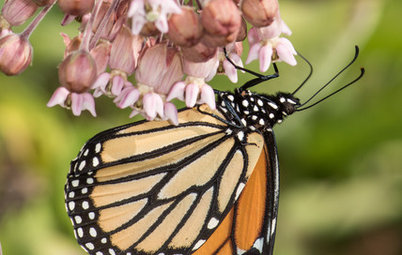
- Milkweed family, asclepiadaceae
1. Asclepias currasavica - tropical/scarlet milkweed
2. Asclepias incarnata - swamp milkweed
3. Cynanchum laeve - honeyvine
4. Asclepias fascicularis - narrow-leaf milkweed
5. Asclepias speciosa - showy milkweed
6. Asclepias physocarpa - Balloon or Swan plant
7. Calotropis gigantea - giant milkweek or crown flower
Queen
- Milkweed family, asclepiadaceae
1. Sarcostemma clausa - whitevine
2. Asclepias currasavica - tropical/scarlet milkweed
SKIPPERS
Brazilian Skipper
- Canna family, cannaceae
- Arrowroot family, marantaceae
1. Thalia dealbata - powdery thalia
Fiery Skipper
- Grass family, Poaceae
1. Bermuda grass - Cynodon dactylon
Silver-spotted Skipper
- Bean family, fabaceae
1. Amorpha fruticosa - desert false indigo
2. Robinia pseudoacacia - black locust
Long-tailed Skipper
- Bean family, fabaceae
Hoary Edge Skipper
- Bean family, fabaceae
1. Amorpha fruticosa - desert false indigo
0gt;